
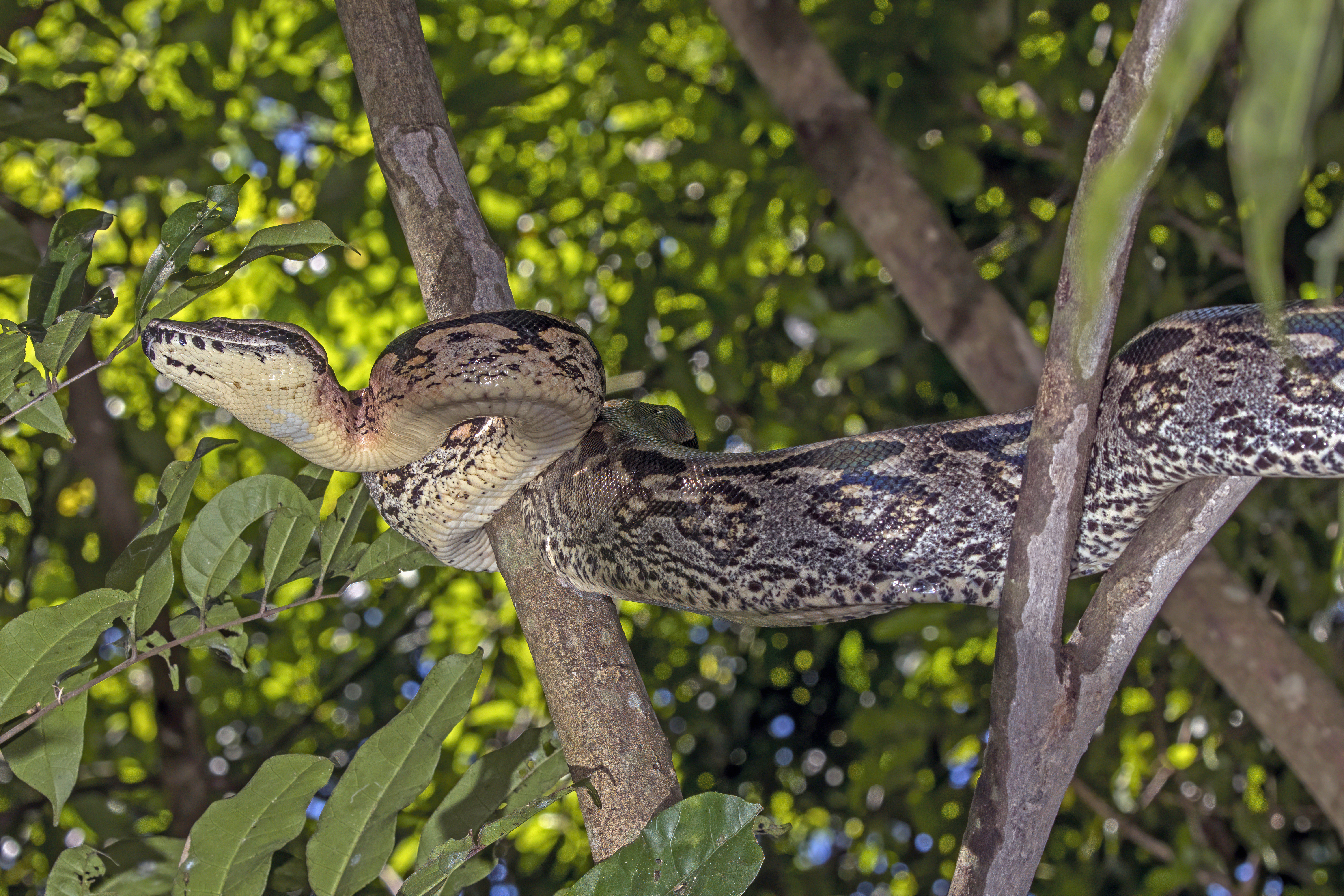
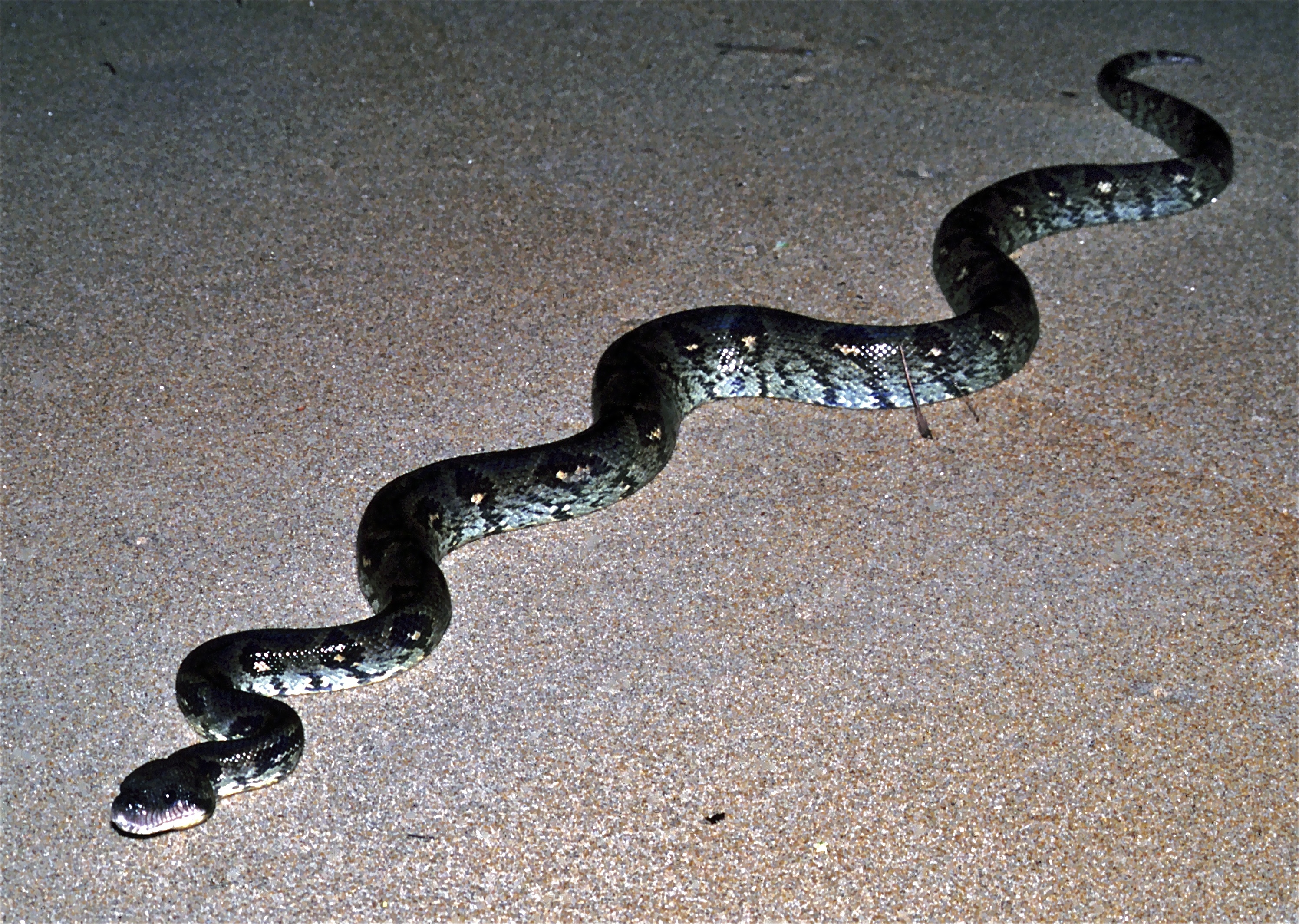
In the shaded canopies of tropical forests, a thick-bodied snake rests quietly along a branch.
Madtoidea is not a single species, but a higher-level taxonomic group (superfamily) that includes ancient boa-like snakes, especially those native to Madagascar and parts of the Southern Hemisphere. These snakes are often described as living relics, offering crucial clues about continental drift and early snake evolution.
🧬 What Is Madtoidea?
Madtoidea represents an ancient snake lineage closely related to the boas (Boidea). It includes several Malagasy boas and their close relatives, preserving primitive traits seen in early snake evolution.
- Class / Order / Superfamily: Reptilia / Squamata / Madtoidea
- Taxonomic traits
- An early-diverging snake lineage
- Includes both egg-laying and live-bearing species
- Non-venomous constrictors
👉 Madtoidea is especially important for understanding how modern snakes evolved.
🌍 Distribution & Habitat
Madtoidean snakes are mainly found in regions that were once part of the ancient Gondwana supercontinent.
- Primary regions
- Madagascar
- Parts of South America
- Australia and nearby regions
- Habitats
- Tropical rainforests
- Dry forests
- Forest edges
- Arboreal and terrestrial zones
🌿 Madagascar, in particular, is a key center for Madtoidea diversity and research.
👀 Appearance & Physical Characteristics
Madtoidean snakes share many classic boa-like features.
- Body form
- Thick, muscular build
- Relatively short, sturdy tail
- Head
- Rounded rather than sharply triangular
- Eyes
- Round or oval pupils
- Teeth
- Designed to grip and hold prey firmly
✨ Their appearance emphasizes stability and strength rather than speed or ornamentation.
🍽️ Diet & Hunting Strategy
Madtoidean snakes are carnivorous ambush predators.
Common prey
- Rodents
- Birds
- Lizards
- Small mammals
Hunting method
- Sudden strike from concealment
- Constriction to subdue prey
- Swallowing prey whole
👉 They rely on muscle power, not venom, to hunt.
🐣 Reproduction & Life History
Reproductive strategies within Madtoidea vary.
- Reproductive modes
- Oviparous (egg-laying) species
- Ovoviviparous species (eggs hatch internally)
- Life history
- Slow growth rate
- Relatively small litter sizes
🐍 These traits reflect an ancient lineage adapted to stable environments.
🧠 Behavior & Temperament
- Primarily nocturnal
- Generally calm and non-aggressive
- Energy-efficient, minimizing unnecessary movement
- Defensive behaviors include retreat or coiling
⚠️ They rarely show aggression toward humans unless threatened.
🌱 Ecological & Scientific Significance
Madtoidea is far more than just a group of snakes.
- Provides biological evidence supporting continental drift
- Essential for studying early snake morphology
- A classic example of island-driven evolution
🐍 Madtoidea can be described as “the past of snakes preserved in the present.”
🧡 Why Madtoidea Is Special
✔️ A surviving lineage from ancient Gondwana
✔️ Non-venomous, primitive constriction hunters
✔️ Crucial to evolutionary biology
✔️ A symbol of Madagascar’s unique biodiversity
Madtoidea represents:
🐍 Snakes that have crossed deep time,
🐍 Living records of shifting continents, and
🐍 Silent witnesses to the history of evolution.
Unlike flashy venomous snakes or agile modern species, Madtoidea snakes are slow and deliberate. Yet within their heavy bodies lies the story of millions of years of evolution and Earth’s changing face.
To understand Madtoidea is not just to learn about snakes—
it is to glimpse the long journey of life on our planet 🐍🌍
댓글 남기기