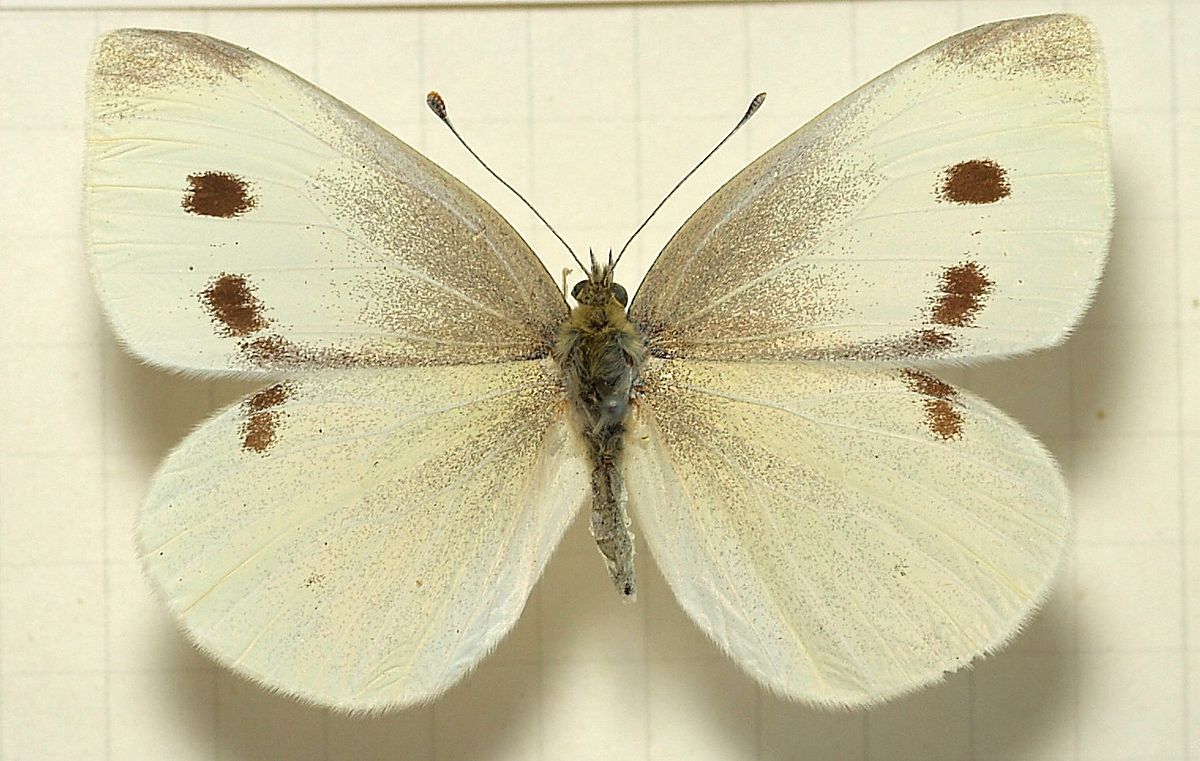


On spring days in gardens and vegetable patches, a small white butterfly is often the first to catch the eye.
The cabbage white butterfly is one of the most common butterflies around us. Behind its simple white wings lies a story of seasonal change and ecological balance.
🧬 What Is the Cabbage White Butterfly?
As its name suggests, the cabbage white butterfly is closely associated with plants in the mustard family, including cabbage. It is a widely distributed and well-studied small butterfly, making it familiar to both researchers and nature observers.
- Class / Order / Family: Insecta / Lepidoptera / Pieridae
- Key traits
- White wings with black spots
- Relatively small body size
- Lives very close to human environments
👉 It is often the first butterfly people learn to recognize.
🌍 Distribution & Habitat
The cabbage white butterfly is highly adaptable and found across much of the world.
- Distribution
- Throughout the Korean Peninsula
- Asia, Europe, North America, and beyond
- Typical habitats
- Fields and vegetable gardens
- Parks and home gardens
- Rural and urban green spaces
🌿 Its range has expanded alongside human agriculture.
👀 Appearance & Physical Characteristics
- Wingspan: About 4–6 cm (1.6–2.4 in)
- Wing color
- Mostly white
- Black spots on the forewings (more pronounced in females)
- Body color
- Pale gray to light gray
- Sexual dimorphism
- Females have more visible black markings
✨ Simple at first glance, but the wings reveal delicate textures up close.
🌿 Feeding & Lifestyle
Adults
- Diet
- Flower nectar
- Activity
- Active during the day
- Flies low and quickly from plant to plant
Caterpillars
- Host plants
- Cabbage
- Radish
- Rapeseed
- Mustard greens and other cruciferous plants
- Traits
- Light green body color
- Often feeds on the underside of leaves
👉 Because the caterpillars feed on crops, they are sometimes considered agricultural pests.
🐣 Life Cycle (Complete Metamorphosis)
The cabbage white butterfly undergoes complete metamorphosis.
1️⃣ Egg
2️⃣ Caterpillar
3️⃣ Chrysalis
4️⃣ Adult
- Number of generations
- 3–5 or more per year
- Chrysalis
- Attached to walls, fences, or plant stems
- Overwintering
- As a chrysalis
🦋 Rapid reproduction is a key factor behind this butterfly’s strong survival ability.
🧠 Behavior & Defense Strategies
- Flight
- Low, fast, and irregular
- Defense
- Camouflage of caterpillars
- High reproductive rate to maintain populations
⚠️ The species is non-toxic but extremely prolific.
🌱 Ecological Role
Though sometimes viewed negatively, the cabbage white butterfly plays important ecological roles.
- Assists in pollination
- Serves as prey for birds, spiders, and parasitic wasps
- Helps maintain food-web balance
🦋 It represents the dual role of pest and essential ecosystem member.
🧡 Why the Cabbage White Butterfly Is Special
✔️ The most commonly seen butterfly
✔️ A meeting point of agriculture and ecology
✔️ A key species in butterfly research
✔️ A clear indicator of seasonal change
The cabbage white butterfly represents:
🦋 Nature encountered in everyday life,
🦋 A life form shaped by both farming and ecology, and
🦋 A small yet meaningful presence.
When you see a small white butterfly busily fluttering through a field or park, it may be a gentle reminder that nature is still breathing alongside us 🦋🌱
댓글 남기기