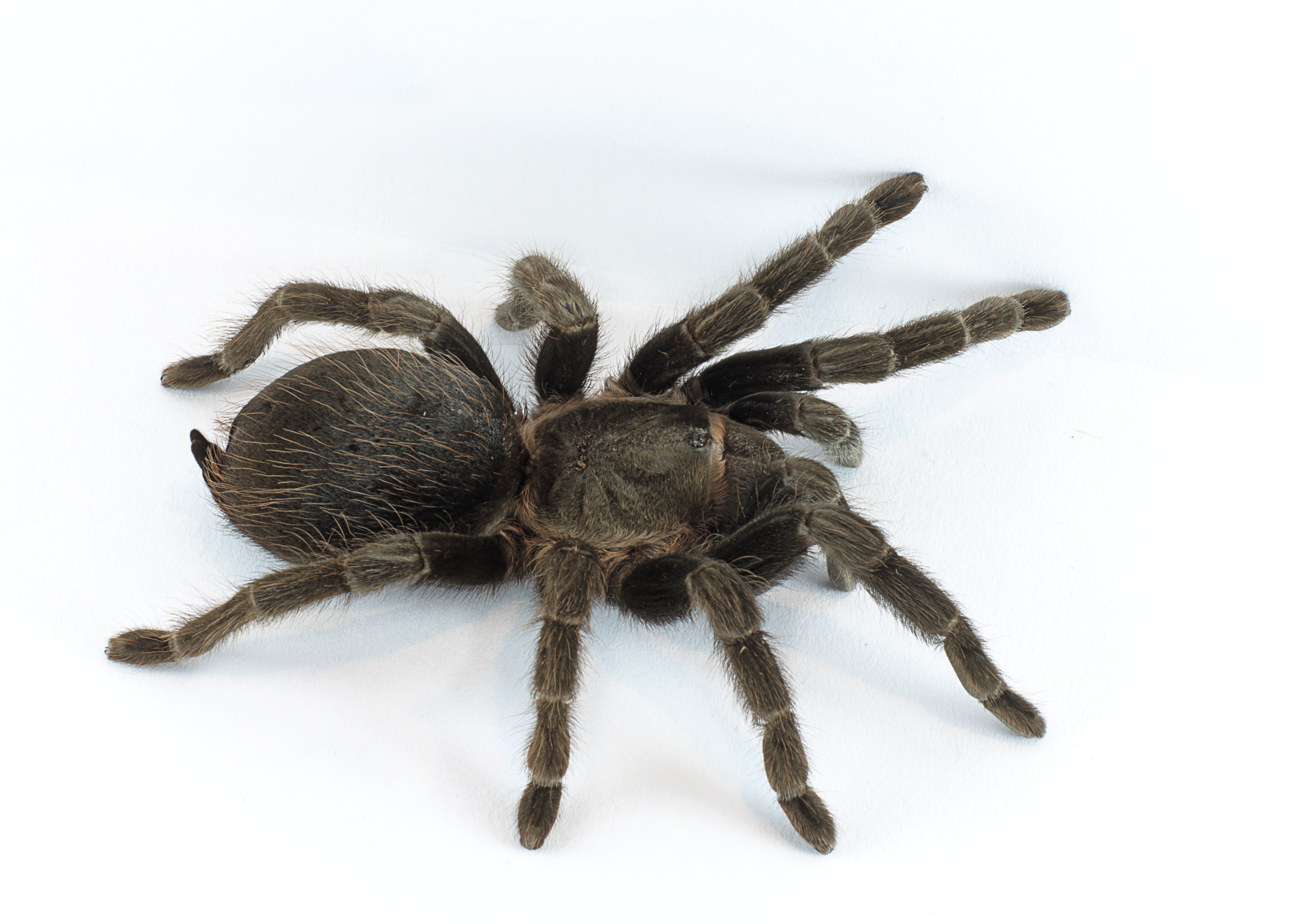


Thick legs, a body covered in fine hairs, and slow yet imposing movements.
The tarantula is one of the most well-known large spiders in the world. Often misunderstood and feared, it is in reality a creature with a generally calm temperament and a fascinating natural history.
🧬 What Is a Tarantula?
A tarantula is not a single species, but a common name for large spiders belonging to the Theraphosidae family.
- Classification: Arthropoda / Arachnida / Araneae / Theraphosidae
- Key characteristics
- Large body size (includes some of the world’s largest spiders)
- Body covered with dense hairs
- Relatively slow movement
- Long lifespan
👉 Contrary to movies and myths, most tarantulas are shy and avoid humans.
🌍 Habitat & Distribution
Tarantulas are widely distributed across tropical to temperate regions of the world.
- Main regions
- Central and South America
- Africa
- Asia
- Australia
- Typical habitats
- Tropical rainforests
- Deserts
- Grasslands
- Forest floors and burrows
- Trees (arboreal species)
🌱 Depending on the species, they may be terrestrial, burrowing, or arboreal.
👀 Appearance & Physical Characteristics
- Leg span: Up to 25–30 cm (10–12 in) in some species
- Coloration
- Brown, black, gray
- Some species show vivid colors such as blue, pink, or orange
- Hairs
- Sensory hairs and defensive urticating hairs
- Fangs
- Downward-facing venomous fangs
✨ Species with striking colors are especially popular among hobbyists.
🍽️ Diet & Hunting Behavior
Tarantulas are carnivorous predators.
Common prey
- Insects
- Centipedes
- Small lizards
- Frogs
- Mice (in larger species)
Hunting style
- Ambush predation
- Rapid strike to capture prey
- Venom used to immobilize, followed by external digestion
👉 Silk is mainly used for lining burrows, reinforcing shelters, and protecting eggs, not for catching prey.
🧠 Temperament & Behavior
- Generally docile and cautious
- Prefer to flee rather than fight
- Defensive behaviors only as a last resort
Defensive strategies
- Kicking urticating hairs (New World species)
- Threat displays
- Biting (rare)
⚠️ For most species, the venom causes pain comparable to a bee sting in humans.
🐣 Growth, Molting & Lifespan
Tarantulas grow by molting, shedding their exoskeleton.
- Molting
- Necessary for growth
- A highly vulnerable period
- Growth rate
- Slow
- Lifespan
- Females: 15–30+ years
- Males: around 5–10 years
🕷️ The exceptionally long lifespan of females is one of the tarantula’s most remarkable traits.
🏠 Tarantulas as Pets
Tarantulas are popular as low-maintenance exotic pets, especially for beginners.
Advantages
- No noise
- Minimal odor
- Simple feeding routine
- Small space requirements
Important cautions
- Avoid frequent handling
- Never disturb during molting
- Maintain proper temperature and humidity by species
👉 Tarantulas should be treated as observation pets, not animals meant to be handled.
🌱 Ecological Role
In the wild, tarantulas play an important role.
- Control insect populations
- Serve as predators within food webs
- Contribute to soil ecosystem stability
🕷️ Rather than monsters, they are quiet hunters that help maintain ecological balance.
🧡 Why Tarantulas Are Special
✔️ Includes the world’s largest spiders
✔️ Some species live for decades
✔️ Surprisingly calm nature
✔️ High value for observation and study
The tarantula represents:
🕷️ Delicate complexity hidden behind fear,
🕷️ A survival strategy perfected through patience, and
🕷️ A misunderstood work of natural art.
Once you truly understand tarantulas, their size and hairy legs become less frightening and more like a masterpiece of natural design.
When fear is replaced with understanding, the tarantula reveals itself as a truly remarkable creature 🕷️🌿
댓글 남기기