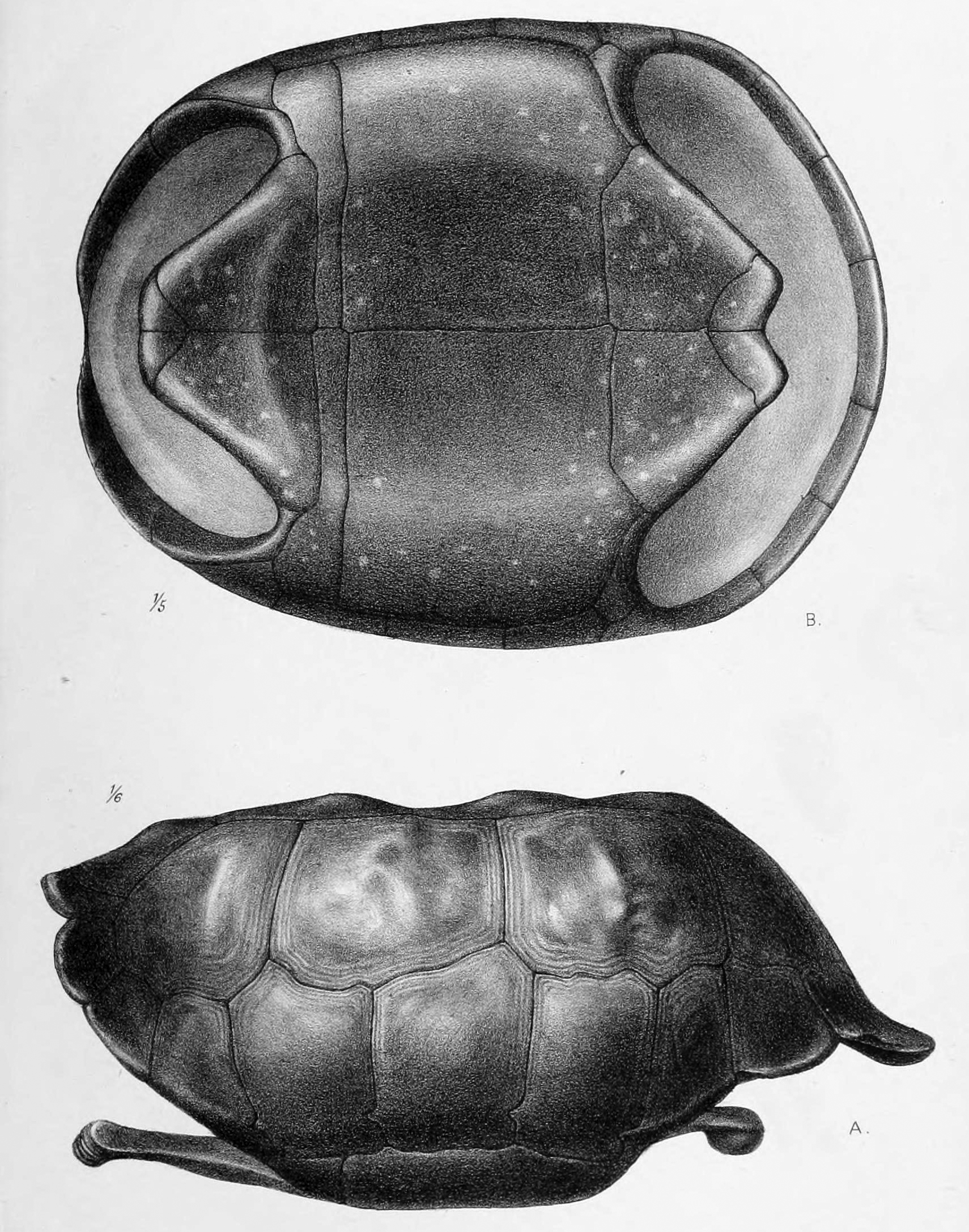

Once roaming the island of Floreana in the Galápagos, a massive, slow-moving creature carried centuries of life on its back.
The Floreana giant tortoise is considered extinct in the wild, yet it remains a source of scientific fascination because evidence suggests it may not be entirely gone.
🧬 What Is the Floreana Giant Tortoise?
The Floreana giant tortoise was a distinct island form of the Galápagos giant tortoises, shaped by long isolation on Floreana Island.
- Class / Order / Family: Reptilia / Testudines / Testudinidae
- Key traits
- Enormous body size
- Exceptional longevity (often over 100 years)
- Evolution finely tuned to island life
👉 Galápagos tortoises are famous for evolving unique forms on different islands.
🌍 Habitat & Environment
- Original range
- Floreana Island, Galápagos Archipelago
- Environmental conditions
- Dry lowlands
- Shrublands and cactus-dominated vegetation
- Limited freshwater and food resources
🌱 These conditions favored slow metabolism and energy-efficient lifestyles.
👀 Physical Characteristics
- Weight
- Estimated to exceed 300 kg (660 lb)
- Shell
- Saddleback shape with a raised front
- Neck
- Long and flexible
- Limbs
- Thick, column-like legs
✨ The saddleback shell allowed the tortoise to reach higher vegetation, a key evolutionary advantage.
🌿 Diet & Daily Life
- Diet
- Strictly herbivorous
- Primary foods
- Cacti
- Grasses
- Shrub leaves
- Daily routine
- Most time spent feeding and resting
- Slow, steady movement
👉 With few natural predators, evolution favored efficiency over defense.
🐣 Reproduction & Lifespan
- Reproduction
- Egg-laying (oviparous)
- Nesting
- Multiple eggs buried in sandy soil
- Growth
- Extremely slow maturation
- Lifespan
- Estimated 100–150 years or more
✨ Their long lives made them living records of island history.
⚠️ Causes of Extinction
The decline of the Floreana giant tortoise was driven largely by human activity.
Main causes
- Heavy harvesting by sailors in the 19th century
- Introduction of invasive species (goats, rats)
- Habitat destruction
- Low reproductive rate
📉 By the mid-1800s, the species was believed to be extinct in the wild.
🔬 Was It Truly Extinct?
Recent genetic studies have revealed living tortoises on other Galápagos islands that carry Floreana giant tortoise ancestry.
- Likely transported between islands by humans in the past
- Raises the possibility of genetic restoration or rewilding
👉 The Floreana giant tortoise stands at the boundary between extinction and recovery.
🌱 Ecological Importance
- Shapes vegetation structure
- Disperses seeds
- Maintains balance in island ecosystems
🐢 Giant tortoises functioned as true ecosystem engineers in the Galápagos.
🧡 Why the Floreana Giant Tortoise Matters
✔️ A symbol of island-driven evolution
✔️ A classic case of human-caused extinction
✔️ A species with real potential for genetic recovery
✔️ Both a warning and a source of hope in conservation biology
The Floreana giant tortoise represents:
🐢 Life measured in centuries,
🐢 A species lost through human action, and
🐢 A fragile hope for restoration through science.
Remembering this tortoise means confronting past mistakes while considering whether we still have a chance to bring part of that lost world back.
Whether giant footprints will one day return to Floreana Island depends on the conservation choices we make today 🐢🌍
답글 남기기