

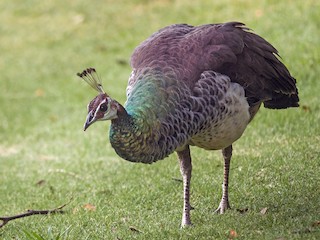
A fan of iridescent tail feathers, shimmering blue-green plumage, and an air of quiet majesty.
The Indian Peafowl is widely regarded as one of the most beautiful birds on Earth and has long symbolized beauty, dignity, and sacredness across cultures. Below is a calm, blog-style introduction to this iconic species.
🧬 What Is the Indian Peafowl?
- Order / Family: Galliformes / Phasianidae
- Scientific name: Pavo cristatus
- Common name: Indian Peafowl
👉 The brilliantly colored bird commonly called a “peacock” is the male, while the female is known as a peahen.
🌍 Habitat & Distribution
The Indian peafowl is native to South Asia.
- Native regions
- India
- Sri Lanka
- Typical habitats
- Forest edges
- Grasslands and scrublands
- Areas near farmland and human settlements
🌿 They adapt well to living close to people and are often seen near villages and temples.
👀 Physical Characteristics
🦚 Male (Peacock)
- Body length: ~100–115 cm (39–45 in), excluding tail
- Tail train length: Up to 1.5–1.8 m (5–6 ft)
- Colors: Iridescent blue, green, and gold
- Signature feature: Eye-shaped patterns (“eyespot” feathers)
🦃 Female (Peahen)
- Brown and gray plumage
- Short, plain tail
- Slightly smaller or similar in size to males
✨ The male’s brilliance attracts mates, while the female’s muted colors provide camouflage.
🍃 Diet
Indian peafowl are omnivorous.
- Foods
- Grains and seeds
- Fruits and berries
- Insects
- Small reptiles
👉 In agricultural areas, they help reduce insect populations, acting as natural pest controllers.
🧠 Behavior & Temperament
- Activity pattern: Diurnal (active during the day)
- Personality
- Highly alert and cautious
- Strong territorial awareness
- Vocalization
- Very loud calls, especially during breeding season
🦚 Despite their elegance, peafowl are strongly wild and vigilant birds.
💃 Courtship Display — Nature’s Grand Performance
The Indian peafowl is famous for its dramatic mating display.
Display features
- Tail feathers spread into a giant fan
- Subtle vibrations create a shimmering effect
- Sunlight enhances the iridescent colors
👉 Females choose mates based on tail size, symmetry, and color intensity.
🐣 Breeding & Rearing
- Clutch size: Usually 3–6 eggs
- Incubation: ~28–30 days
- Parental care
- Females raise chicks alone
- Chicks are mobile shortly after hatching
✨ Males do not participate in chick rearing.
⚠️ Relationship with Humans
- Designated as the national bird of India
- Protected in temples, palaces, and parks
- Occasionally causes crop damage in rural areas
📌 Though graceful in appearance, peafowl should always be treated as wild birds.
🌱 Role in the Ecosystem
- Control insect populations
- Aid in seed dispersal
- Contribute to regional biodiversity
👉 Indian peafowl are an important component of South Asian ecosystems.
🧡 What the Indian Peafowl Symbolizes
✔️ Beauty and splendor
✔️ Authority and sacredness
✔️ The power of natural selection
✔️ Inspiration in art and culture
The Indian peafowl represents:
🦚 Nature’s most dazzling stage,
🦚 An artwork shaped by evolution, and
🦚 A living symbol woven into human culture.
Behind every shimmering feather lies a story of selection, survival, and time.
Somewhere in the forests of South Asia today,
an Indian peacock is quietly spreading its radiant tail beneath the sun ✨🦚
댓글 남기기