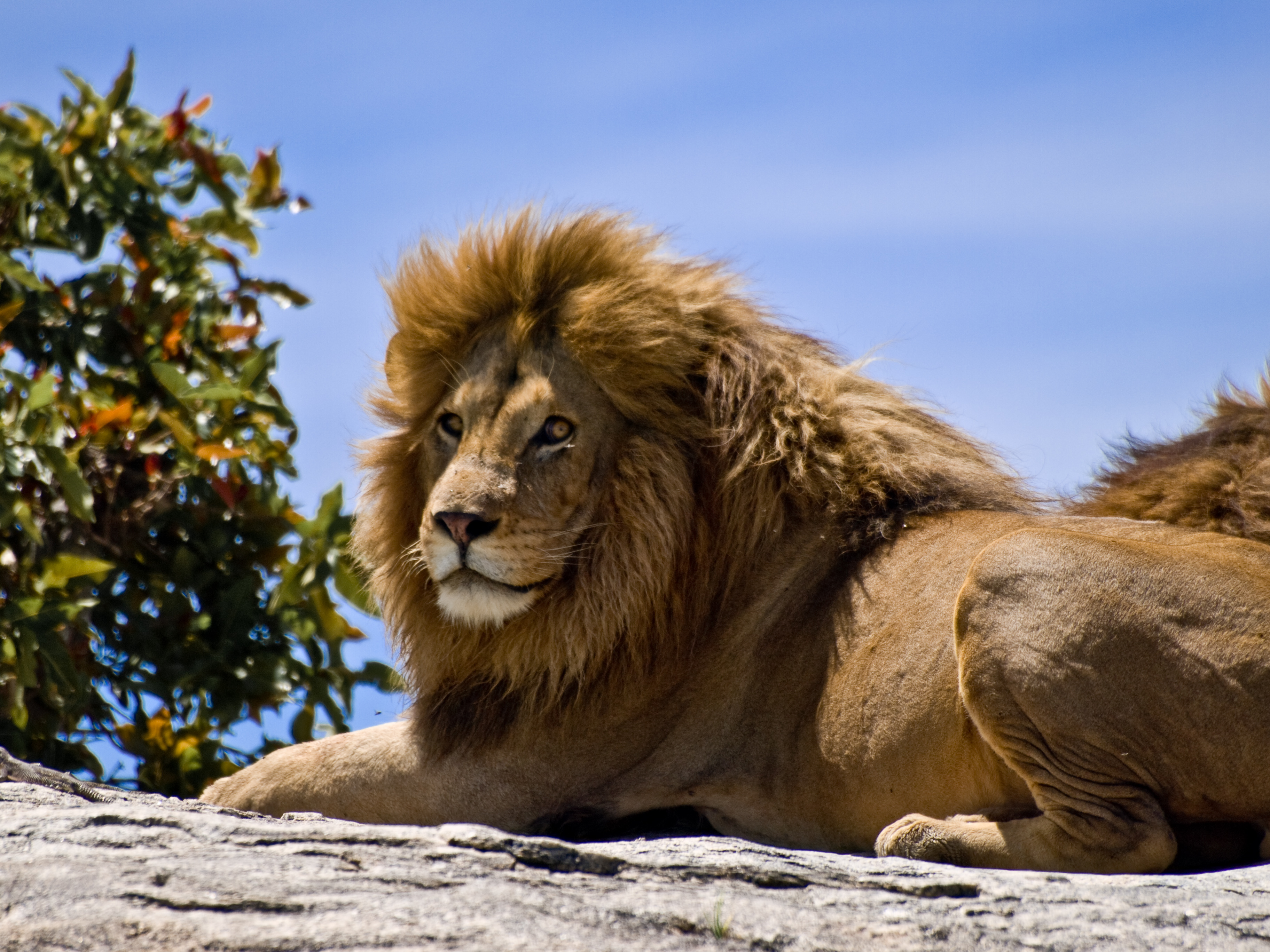
With a dark, full mane,
a powerful frame, and an unhurried stride,
the Transvaal lion represents the strength and adaptability of southern Africa’s great predators.
Associated historically with the Transvaal region of South Africa,
this lion group reflects the distinctive traits shaped by life on the savannas and semi-deserts of the south.
🧬 What Is the Transvaal Lion?
The term Transvaal lion traditionally refers to lion populations from the Transvaal region of northern South Africa.
Today, it is generally understood as a regional population of the African lion,
rather than a separate species or subspecies.
- Range: South Africa, Botswana, Zimbabwe, and nearby regions
- Habitat: Savannas, bushveld, and semi-arid landscapes
- Defining image: Males with darker, fuller manes
👉 It is best viewed as a geographic variation shaped by local climate and environment.
🌍 Habitat & Environmental Adaptation
The landscapes inhabited by Transvaal lions are marked by
strong temperature fluctuations and irregular rainfall.
- Adapted to hot days and cool nights
- Capable of ranging over wide territories
- Able to survive in areas with limited water availability
🌾 These conditions have favored lions with endurance, strength, and resilience.
👀 Appearance & Physical Characteristics
- Male weight: Approximately 180–230 kg (400–510 lb) or more
- Female weight: Approximately 120–160 kg (265–350 lb)
- Key features
- Thick, dark manes in mature males (often with black tones)
- Broad chest and powerful forelimbs
- Well-balanced, muscular build
✨ The mane of an adult male often signals dominance, maturity, and overall health.
🧠 Social Structure & Behavior
Like other African lions, Transvaal lions live in structured social groups called prides.
- Females conduct most of the hunting
- Males focus on territory defense
- Clear hierarchy and cooperation within the pride
- Calm demeanor, but decisive and forceful when threatened
🦁 Their relaxed appearance masks an ability for swift, coordinated action.
🍽️ Diet & Hunting Strategy
Typical prey
- Wildebeest
- Zebras
- Antelope species
- Occasionally large prey such as buffalo
- Hunting occurs mainly at night or dawn
- Females hunt cooperatively
- Terrain and timing are used for ambush
👉 On open plains, teamwork is essential for success.
🐣 Reproduction & Cub Rearing
- Gestation period: About 110 days
- Litter size: Usually 2–4 cubs
- Cub care
- Females often nurse and protect cubs communally
- Cubs remain with the pride for around two years
🐾 Cooperative care greatly improves cub survival.
⚠️ Threats & Conservation Issues
Southern African lion populations, including those referred to as Transvaal lions, face ongoing challenges:
- Habitat loss
- Human–wildlife conflict
- Poaching
- Decline in prey availability
🛡️ Protected areas and coexistence programs with local communities are key to their future.
🌱 Ecological Role
- Apex predator regulating herbivore populations
- Removal of weak or sick animals
- Maintenance of healthy savanna ecosystems
🌍 The presence of lions signals a functioning and balanced food web.
🧡 Why the Transvaal Lion Matters
✔️ An iconic representative of southern African lions
✔️ Notable for dark, impressive manes
✔️ Highly adapted to challenging environments
✔️ Central to the pride-based social system
The Transvaal lion is:
🦁 A true embodiment of the “king of the savanna,”
🦁 A symbol of strength shaped by environment,
🦁 A cornerstone of southern African ecosystems.
Watching a Transvaal lion move slowly across the plains at sunset
is a powerful reminder of how long nature has maintained its own order—
and how vital it is to ensure that this balance endures.
답글 남기기