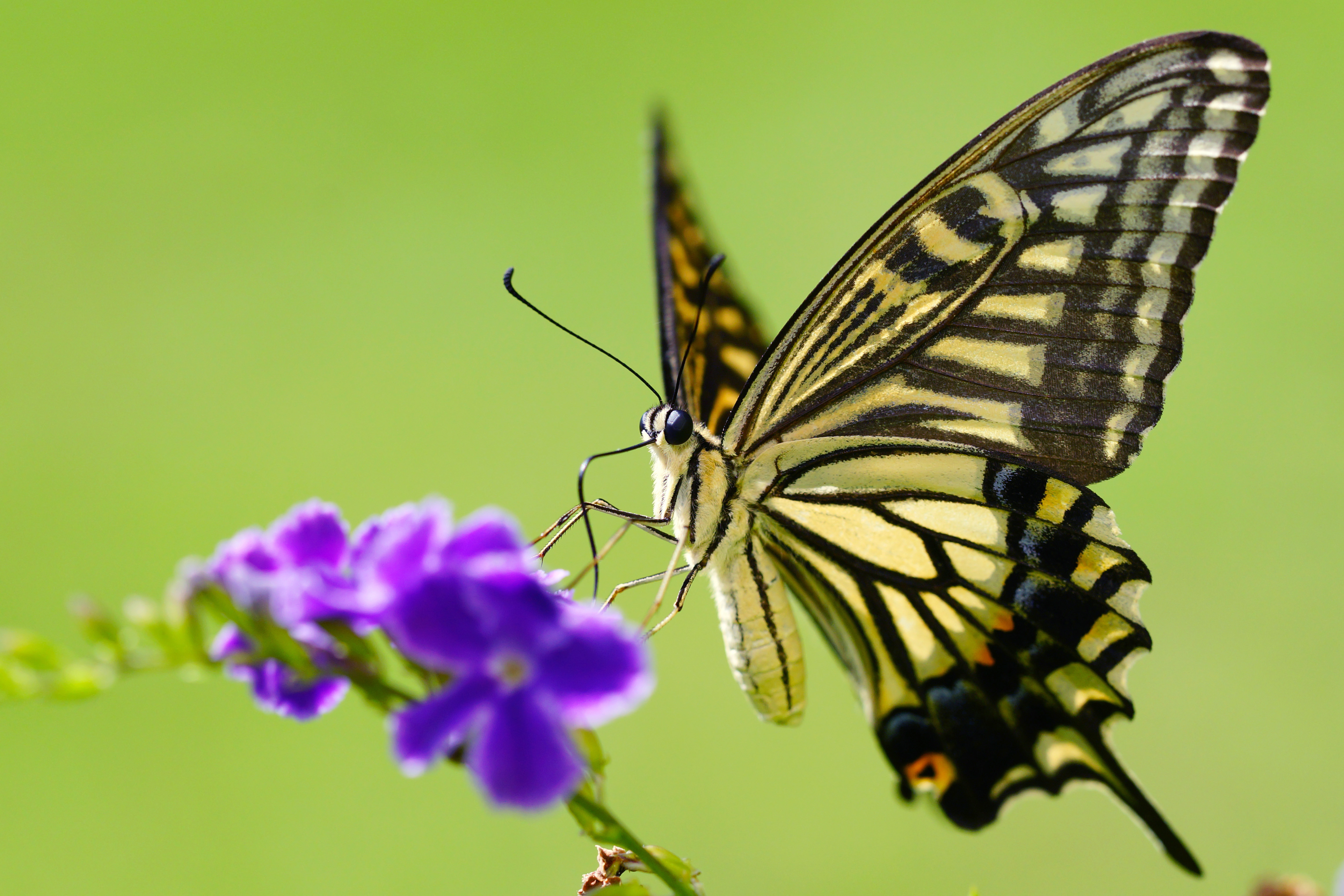
A yellow butterfly gliding gently over gardens and fields, its bold black patterns resembling tiger stripes.
The Asian swallowtail is one of the most commonly seen large butterflies in Korea. Loved for its bright colors and confident flight, it has long been a familiar and cherished presence in everyday landscapes.
🧬 What Is the Asian Swallowtail?
The Asian swallowtail belongs to the swallowtail butterfly family and is one of the easiest species to observe in the wild. It is also a classic subject in nature studies, often encountered during childhood.
- Class / Order / Family: Insecta / Lepidoptera / Papilionidae
- Key traits
- Yellow wings with bold black stripes
- Large, powerful wingbeats
- Relaxed, graceful flight
👉 As its name suggests, it is smaller than the giant swallowtail, but its presence is just as striking.
🌍 Distribution & Habitat
Thanks to its strong adaptability, the Asian swallowtail can be found in many environments.
- Distribution
- Throughout the Korean Peninsula
- Widely across East Asia
- Typical habitats
- Fields and grasslands
- Gardens and parks
- Farmland surroundings
- Forest edges
🌼 Wherever flowers bloom and sunlight is abundant, this butterfly is likely to appear.
👀 Appearance & Physical Characteristics
- Wingspan: About 7–9 cm (2.8–3.5 in)
- Wing color
- Bright yellow base
- Distinct black tiger-like patterns
- Tail
- Short tail extensions on the hindwings
- Sexual dimorphism
- Females are slightly larger than males
✨ When basking in sunlight, the yellow wings glow even more vividly.
🍯 Diet & Daily Life
Adult diet
- Flower nectar
- Tree sap
Caterpillar diet
- Prickly ash trees
- Trifoliate orange
- Other plants in the citrus family
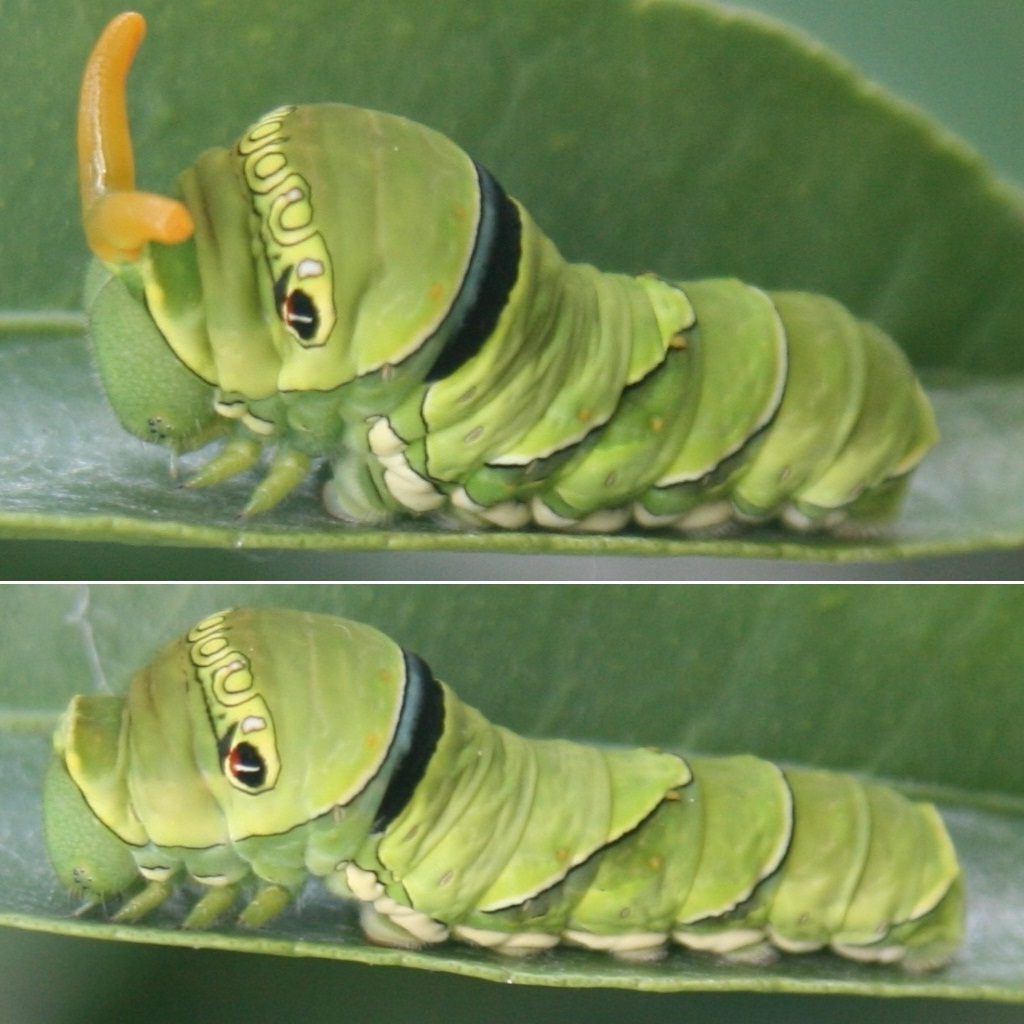
🐛 Caterpillars resemble bird droppings in early stages, an effective camouflage against predators.
🐣 Life Cycle (Complete Metamorphosis)
The Asian swallowtail undergoes complete metamorphosis.
1️⃣ Egg
2️⃣ Caterpillar
3️⃣ Chrysalis
4️⃣ Adult
- Generations
- Two to three per year
- Overwintering
- Survives winter in the chrysalis stage
🦋 Multiple generations appear throughout the warmer seasons.
🧠 Behavior & Habits
- Most active on sunny days
- Circles slowly around flowering plants
- Generally weak territorial behavior
- Not particularly wary of humans
🌞 Warm, bright weather offers the best chance for observation.
🌱 Ecological Role
The Asian swallowtail plays a meaningful role in nature.
- Assists with pollination
- Serves as part of the food web
- Acts as an indicator of environmental health
🦋 A decline in butterfly populations often signals problems with vegetation or pesticide use.
🧡 Why the Asian Swallowtail Is Loved
✔️ Bright and friendly appearance
✔️ Easy to observe
✔️ Ideal for ecological education
✔️ A symbol of spring and summer
The Asian swallowtail represents:
🦋 A winged message of the seasons,
🦋 A small life connecting people and nature, and
🦋 A mirror reflecting environmental health.
If you see yellow wings gently fluttering through a garden or field, it may be a quiet sign that nature is still breathing beside us 🦋🌼
Pause for a moment and follow its flight—
within it lies the rhythm of the changing seasons.
댓글 남기기